Teen anxiety rarely looks like the stock photo of a worried face. It can sound like stomachaches before first period, show up as missing buses and assignments, or look like a once-social kid pulling their hoodie tight and declining every plan. When a teen is anxious, the whole system around them strains. Parents worry, siblings tiptoe, teachers send late-night emails. The good news is that anxiety responds to care that is structured, collaborative, and grounded in research. The even better news is that the earlier we intervene, the faster teens regain traction.
How anxiety shows up in daily life
In teenagers, anxiety hides inside pragmatism. A student who “just needs to study at home” may be dodging group projects because one classmate rolls their eyes. A soccer goalie says their ankle hurts, and it probably does, because cortisol stiffens muscles and clenches jaws. A teen who earned A grades for years may suddenly avoid anything difficult because perfectionism and fear of humiliation turn every challenge into a cliff edge. On the surface, you might see irritability, sleep changes, or arguments over trivial things. Underneath, it is often the nervous system in overdrive.
Clinically, we distinguish between several common anxiety presentations in adolescence. Generalized anxiety is the constant hum of worry about performance, health, family finances, or world events. Social anxiety centers on the terror of being judged, flushed cheeks, blanking mid-sentence, or replaying conversations at 2 a.m. Panic disorder brings surges of dread and physical symptoms that feel like a heart issue, which lands some teens in urgent care before they ever see a therapist. Obsessive-compulsive disorder can start as double checking locks and morph into hours of mental rituals that no one sees. Post-traumatic stress teen counseling and therapy can rewire threat detection so that halls, noises, or smells trigger alarms. These categories matter because the most effective therapy is chosen to match the pattern.
When to seek help
Parents and teens often ask for an exact threshold. There is no perfect line, but there are reliable signals that it is time to consider structured teen therapy.
- Anxiety is shrinking your teen’s world, for example avoiding school, activities, or friends for two weeks or more. Daily functioning is taking a hit, like major sleep disruption, frequent stomachaches, or grades sliding despite effort. You see safety concerns, including panic episodes with fainting or escalating self-criticism that worries you. Conflicts at home are intensifying around minor tasks such as showers, homework, or leaving the house. Your teen wants help, even if they are unsure what kind. Motivation is a strong predictor of progress.
Even if only one or two items fit, an evaluation can clarify whether watchful waiting makes sense or whether starting anxiety therapy now would spare months of struggle.
What a good first session covers
A thorough intake does more than list symptoms. The therapist maps triggers, timelines, and strengths, and screens for conditions that commonly overlap with anxiety. Sleep, nutrition, movement, and medical factors come up early because thyroid issues, migraines, POTS, asthma, and side effects from stimulants can amplify anxiety sensations. A pediatrician’s input is often helpful.
Validated questionnaires give a baseline. Many clinics use the SCARED, RCADS, or the GAD-7 modified for youth to quantify severity. Baselines let you measure change at weeks four and eight, not just guess.
This is also when questions about attention and learning emerge. Anxiety and ADHD intersect frequently. Both can cause racing thoughts, late work, and avoidance, but the drivers differ. In ADHD, the mind shifts topics before tasks complete, and time blindness wrecks planning. In anxiety, intrusive what if thoughts hijack attention, and tasks feel threatening. The evaluation might include ADHD testing when the picture is mixed. Sometimes the right call is to address acute anxiety first, then re-test once the nervous system is calmer.
Confidentiality is discussed openly. Teens deserve privacy to speak honestly. Parents deserve updates on safety and progress. The most productive setup names exactly what is shared, for example goals, attendance, risk concerns, and high level progress, while keeping session details private unless the teen consents.
Matching treatment to the problem
Anxiety responds to structured approaches that teach the brain new patterns. Not all therapies are equal for every presentation. Here is a concise map of options that have strong evidence with adolescents.
- Cognitive behavioral therapy teaches teens to spot worry patterns, test predictions, and gradually face feared situations. It is the workhorse for generalized and social anxiety and often runs 12 to 20 sessions with home practice. Exposure and response prevention is the gold standard for OCD and phobias. Teens face triggers in planned steps while resisting rituals. Expect 12 to 16 sessions for mild to moderate cases, longer if rituals are complex. Acceptance and commitment therapy improves psychological flexibility. Teens learn to make room for discomfort while moving toward values, helpful when perfectionism drives avoidance or when thoughts feel sticky but not overtly compulsive. EMDR therapy can reduce physiological reactivity tied to discrete traumas, such as assaults, car accidents, or medical events. For single event trauma, six to twelve sessions can deliver significant relief, though complex trauma requires longer, staged care. Mindfulness based and somatic skills build awareness of body cues and teach downshifting techniques. These complement other approaches rather than replace them.
A seasoned clinician tailors the blend. For example, a teen with panic attacks and school avoidance might start with interoceptive exposures to bodily sensations, pair that with skills to regulate breathing, then add graded returns to crowded hallways with coach-like support. A student with social anxiety might practice three second eye contact, strategically join a low stakes club, and experiment with imperfect school presentations to test catastrophic predictions.
The role of parents without becoming the therapist
Teens walk into therapy, but they go home to a family structure that can either reinforce avoidance or support brave experiments. Parent sessions focus on adjusting routines and communication so the environment aligns with treatment. It is rarely helpful for parents to lead exposures or argue about distorted thoughts. It is often helpful to set clear expectations, praise efforts rather than outcomes, and reduce accommodations that shrink the teen’s world.
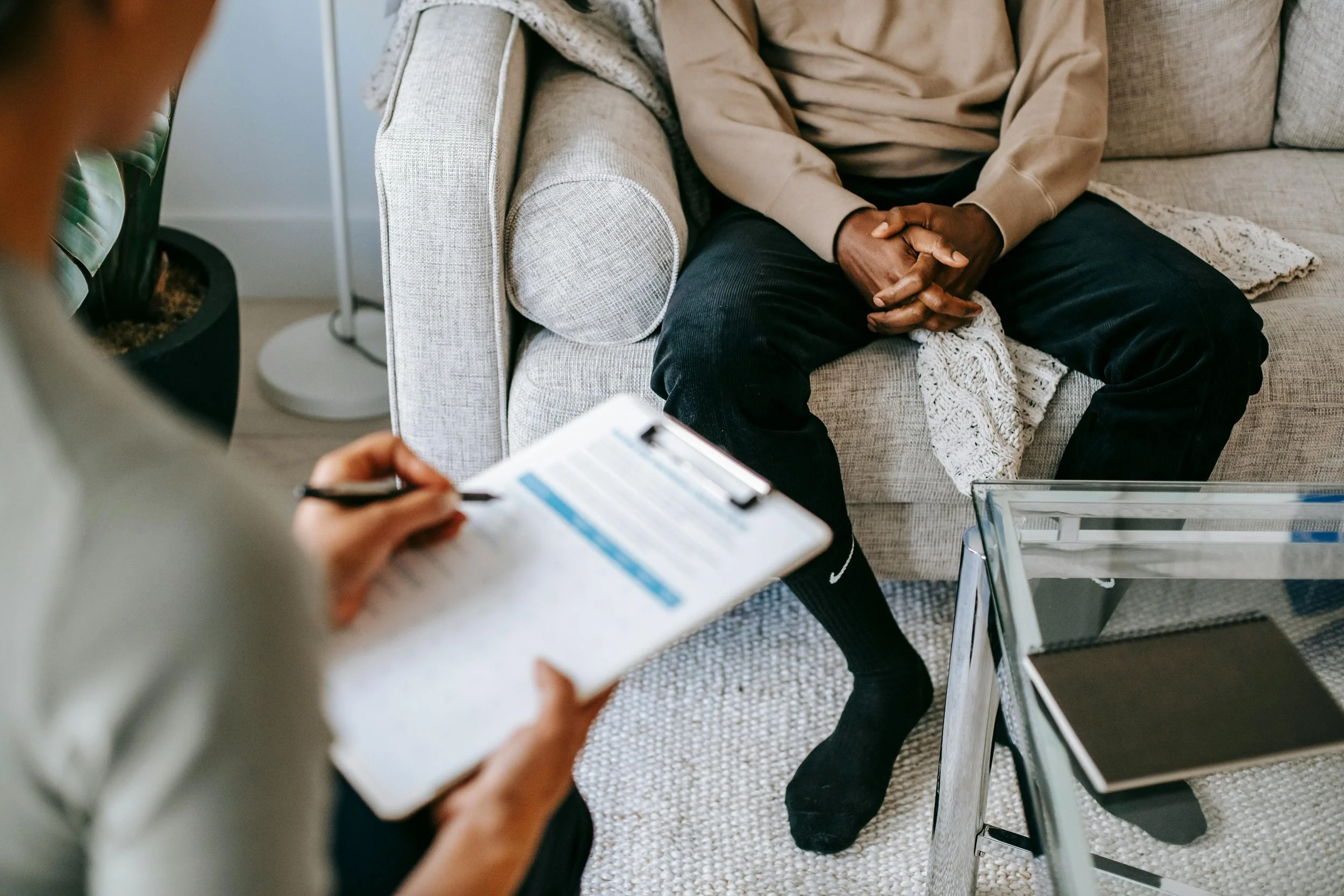
Sometimes parental conflict is the loudest stressor in the home. Improving the couple dynamic reduces ambient anxiety for everyone. Couples therapy is not teen therapy, yet it can be part of the treatment ecosystem when arguments, separations, or mismatched parenting styles keep the nervous system on alert. A few targeted sessions to unify limits, scripts, and repair routines can pay dividends.
Medication, used wisely
For moderate to severe anxiety, or when therapy alone is not moving the dial after a fair trial, selective serotonin reuptake inhibitors can help. SSRIs like fluoxetine and sertraline have a long track record in adolescents. I advise families to think in months, not days. Expect gradual gains over four to eight weeks, with regular check-ins on side effects. The best outcomes typically come from combining medication with structured anxiety therapy. If ADHD is also present, the sequence matters. For some teens, treating anxiety first reduces stimulant side effects. For others with prominent ADHD, improving attention and initiation first makes exposure work feasible. Careful coordination across providers avoids trial and error fatigue.
School as a partner, not an adversary
Schools can make or break a treatment plan. If anxiety is denting attendance or performance, involve the counselor or 504 coordinator early. Common accommodations include a safe adult contact, brief breaks in a calm space, hall passes during peak crowd times, or extended time with guardrails. The art is setting supports that remove unnecessary barriers while not shielding the teen from all discomfort. For example, a teen with panic might have permission to step into the hall for two minutes to breathe, then return. A student with social anxiety might present first to the teacher, then to three peers, then to the class over several weeks. Documenting a ladder of reintegration helps everyone stay the course when anxiety spikes.
Technology, sleep, and the nervous system
Anxious teens often carry their worries into the night. Blue light delays melatonin, but the bigger culprits are social comparison, fear of missing out, and late night catastrophizing. The nervous system needs rhythm. I ask families to choose a phone charging spot outside the bedroom, set a consistent sleep window, and replace scrolling with a ten minute wind down ritual. Teens roll their eyes until they notice that panic attacks happen less often on well slept days. Movement helps too. A 20 to 30 minute daily walk or sport practice dampens baseline arousal, and strength work improves body confidence in socially anxious teens.
Special scenarios that complicate the picture
Real families seldom present textbook cases. A ADHD testing few patterns deserve special attention.
Health anxiety surged after the pandemic, especially in teens who experienced family illness or lost relatives. These teens often need both CBT for worry beliefs and planned exposures to medical settings or bodily sensations. It is tempting to provide endless reassurance. It works for minutes and backfires by reinforcing the need for certainty.
Autistic teens can have intense social anxiety that looks like defiance. Standard social exposure plans may feel inauthentic. Treatment respects neurodivergent communication styles while still targeting avoidance that blocks valued activities. Goals might center on one or two meaningful peer interactions, comfort with sensory environments, or scripting for predictable social moments.
Trauma embedded in family systems complicates everything. EMDR therapy or trauma focused CBT can reduce hyperarousal and intrusive memories. Yet trauma treatment needs a stable present. If housing is unstable or a caregiver’s substance use keeps chaos high, clinicians often stage care so safety and routines are in place before deep trauma work.
Self harm and suicidality require clear protocols. Anxiety can drive hopelessness when teens believe it will always feel this bad. Safety planning involves identifying triggers, lethal means counseling, and rapid access steps if risk rises. Parents sometimes worry that naming suicide plants a seed. It does not. Direct questions lower risk and open doors to help.
What progress actually looks like
Parents expect a neat downward line on a symptom chart. Progress is often a staircase. In weeks two to four, anxious teens learn language for their patterns and start small exposure steps. Relief is uneven. Around weeks five to eight, stamina improves, avoidance shrinks, and school days feel less like marathons. A stressor like finals or a breakup will spike symptoms. The difference is recovery time. Where meltdowns lasted hours, now they last 20 minutes. Where a panic attack ended a school day, now the teen returns after lunch. That is not failure, it is conditioning at work.
We track change using both numbers and narratives. Scores on the SCARED or GAD-7 should drop by several points across a course of teen therapy. Parents might hear more laughter at dinner. Teachers might email less often. Teens often notice the most mundane shifts, like ordering their own food or starting homework without a 45 minute delay. Celebrate those.
A brief case example
A 15 year old named Lena arrived after missing nine full days of school in a month. Sunday nights meant stomach pain and tears. Mondays meant dizziness in homeroom. She sat in the nurse’s office for first and second period, then went home “sick.” Teachers described her as bright and polite, but assignments piled up. Lena also scrolled late into the night to distract herself. Her parents tried everything from stern talks to letting her sleep in, which created more conflict.
Assessment showed high scores for social anxiety and panic symptoms. Lena’s heart was structurally normal, confirmed by her pediatrician. We set up a school plan that included a five minute breathing break with the counselor once per morning and a gradual return to presenting in small groups. Therapy combined interoceptive exposures like spinning in a chair and holding ice to practice staying present with body sensations, plus in vivo exposures like walking the most crowded hallway twice daily with a supportive adult. Her parents paused morning debates and instead used a brief, consistent script with a non-negotiable leave time, then focused praise on efforts.
By week four, Lena still felt anxious, but she stayed at school through lunch most days. By week eight, she logged full days consistently, presented to three peers without whispering, and reported that her Sunday stomachaches were “annoying, not terrifying.” Her sleep improved when the phone started charging in the kitchen at 10 p.m. Lena never loved the exposures. She loved what they gave back.
Where EMDR fits, and where it does not
Families sometimes hear about EMDR therapy from a friend and wonder if it is right for any anxiety. It can be, but context matters. When a teen’s anxiety anchors to specific memories or sensations after a discrete trauma, EMDR can loosen the fight-or-flight reflex. I have seen a teen involved in a rear-end collision go from white knuckles at intersections to calm, measured driving practice after eight sessions. For diffuse worry or social anxiety with no central trauma, CBT and exposure based methods are more efficient. A skilled clinician will explain the rationale so your teen invests effort where it pays off.
The intersection with attention and learning
Anxious teens often say they “cannot focus.” Sometimes that is purely anxiety. Sometimes ADHD rides alongside. When attention and impulse control symptoms began in early childhood and span settings, and when family history points the same direction, a full ADHD testing process makes sense. Why does this matter in an anxiety clinic? Because the wrong order of operations can stall progress. A teen with significant ADHD may intend to complete exposure homework and then forget, lose the sheet, or underestimate time, reinforcing avoidance. Small, tech-supported scaffolds help. Calendar alerts, step-by-step checklists, and visible ladders posted on the wall move exposure from idea to action. If medication is part of ADHD care, careful selection and timing matter so it supports rather than worsens anxiety.
Practical home adjustments that make therapy work
Families often want a checklist of what to change at home, but the details depend on the pattern. There are a few near-universal tweaks that support the nervous system and align with therapy goals.
- Keep wake and sleep times within one hour across weekdays and weekends, which stabilizes mood and reduces morning panic. Move reassurance from on-demand to planned, brief check-ins so teens practice tolerating uncertainty between supports. Replace global praise like “You are so smart” with process praise such as “You stayed in math when it got hard,” which undercuts perfectionism. Set device boundaries tied to values rather than punishment, like phone off during the wind down window to protect sleep, phone on for coordinating safe rides home. Model pacing yourself under stress. Teens learn more from how caregivers handle a tough day than from any lecture.
None of this is a magic wand. It is scaffolding for the serious work your teen is doing in therapy.
Legal and ethical scaffolding you should know about
Clinicians working with minors follow both ethics codes and state laws. Parents often ask about their right to know session content. The general rule is that therapists protect a teen’s privacy unless there is risk of harm to the teen or others. Many therapists offer monthly parent updates that cover themes, progress, and home strategies without sharing private details. This balance builds trust and keeps teens honest in session, which improves outcomes.
Telehealth, in person, or blended
Remote sessions opened access for many families. Telehealth works well for skills training and certain exposures, like calling a store or presenting to a small audience on video. In person care shines when body based work, real world exposures, or rapport building are central. A blended model lets you use each to its strengths. Anxious teens who struggle to leave home may start online, then transition to office sessions as avoidance shrinks.
The path to a qualified provider
Licensure ensures a floor, not a ceiling. Look for therapists who can discuss their specific plan for your teen’s profile, not just general warmth. Ask what measures they use, how they involve parents, and how they structure exposures. If OCD, trauma, or panic are present, ask about direct training in ERP or EMDR therapy, not just workshops. Do not be shy about switching if the fit is off after a few meetings. A solid alliance plus the right method beats brand name credentials with a poor match.
If your teen’s anxiety has strained family bonds or created power struggles between caregivers, consider a few sessions focused on your partnership. Couples therapy can improve communication around limits, school plans, and screen use, which makes the home environment more predictable and less fuel for anxiety.
What it costs, financially and emotionally
Families invest time, money, and energy. Insurance coverage varies. Community clinics and school based services can help when private practice is out of reach. Most evidence based courses run three to six months, with weekly to biweekly sessions, then tapering. The emotional cost is real. Exposures feel hard by design. Many teens say it is the first time an adult asked them to do the very thing they avoid. Most also say they are proud afterward. That sense of mastery is what changes the arc of adolescence, not the disappearance of anxiety. We are not trying to remove fear. We are training courage.
A final word on hope and persistence
Anxiety lies about permanence. It says this feeling will never end, this hallway will always loom, this teacher will always think you are foolish. Evidence contradicts that story. Brains change. Families adapt. Schools cooperate. Therapy, done with intention, gives teens a structure to practice being brave on purpose. Whether you start with classic CBT and exposure, integrate acceptance work, or add EMDR therapy for trauma threads, the route is not abstract. It is a series of small steps, measured and repeated, until a young person who used to shrink from life starts stepping back into it.
If you are weighing whether to begin, consider this: delay often teaches avoidance, while timely teen therapy teaches capacity. The sooner your teen learns to face what frightens them, the sooner anxiety becomes one voice among many, not the one that runs the show.
Freedom Counseling Group
Name: Freedom Counseling GroupAddress: 2070 Peabody Road, Suite 710, Vacaville, CA 95687
Phone: (707) 975-6429
Website: https://www.freedomcounseling.group/
Email: [email protected]
Hours:
Sunday: Closed
Monday: 8:00 AM – 6:00 PM
Tuesday: 8:00 AM – 6:00 PM
Wednesday: 8:00 AM – 6:00 PM
Thursday: 8:00 AM – 6:00 PM
Friday: 1:00 PM – 8:00 PM
Saturday: Closed
Open-location code / plus code: 82MH+CJ Vacaville, California, USA
Coordinates: 38.3335888, -121.9709253
Map/listing URL: https://www.google.com/maps/place/Freedom+Counseling+Group/@38.3335888,-121.9709253,678m/data=!3m2!1e3!4b1!4m6!3m5!1s0x80853d08b873aa43:0x59143a3a00ff4fcd!8m2!3d38.3335888!4d-121.9709253!16s%2Fg%2F11l861mmks
Embed iframe:
Socials:
Facebook: https://m.facebook.com/p/Freedom-Counseling-Group-100063439887314/
Instagram: https://www.instagram.com/freedomcounselinggroup/
LinkedIn: https://www.linkedin.com/company/freedomcounselinggroup/
TikTok: https://www.tiktok.com/@freedomcounselinggroup
X: https://x.com/freedomcounse
YouTube: https://www.youtube.com/@FreedomCounselingG
The practice serves individuals, teens, couples, and families through in-person counseling in Vacaville, Roseville, and Gold River, with telehealth options also listed.
Listed specialties include EMDR therapy, anxiety therapy, PTSD therapy, depression therapy, OCD treatment, addiction support, phobia treatment, couples therapy, teen therapy, and immigration mental health evaluations.
The team is led by Kevin Anderson, PsyD, LMFT, CCTP, an EMDRIA Approved EMDR Consultant listed by the official site.
Freedom Counseling Group is locally positioned for clients in Vacaville, Solano County, Travis Air Force Base, Roseville, Gold River, and the Greater Sacramento Area.
The official site describes online therapy and virtual couples counseling for clients in California, Texas, and Florida, with some pages also referencing Idaho telehealth availability that should be confirmed directly.
The Vacaville service page notes support for adults, teens, couples, first responders, and military personnel seeking care for trauma, anxiety, PTSD, depression, OCD, phobias, ADHD, and autism-related concerns.
Prospective clients can call (707) 975-6429, email [email protected], or visit https://www.freedomcounseling.group/ to ask about a free consultation and therapist fit.
The public map listing for Freedom Counseling Group can help clients verify the Peabody Road office before planning an in-person appointment.
Popular Questions About Freedom Counseling Group
What is Freedom Counseling Group?
Freedom Counseling Group is a mental health group practice serving the Greater Sacramento Area, with offices in Vacaville, Roseville, and Gold River, California.
Where is Freedom Counseling Group located?
The main Vacaville location is listed at 2070 Peabody Road, Suite 710, Vacaville, CA 95687. Additional listed locations include Roseville and Gold River.
Does Freedom Counseling Group offer EMDR therapy?
Yes. EMDR therapy is one of the practice’s listed specialties, and the official site describes EMDR as a central part of its treatment approach for trauma, anxiety, PTSD, and related concerns.
What services does Freedom Counseling Group provide?
Listed services include EMDR therapy, anxiety therapy, PTSD therapy, depression therapy, OCD therapy, addiction counseling, phobia treatment, couples therapy, teen therapy, immigration evaluations, EMDR consultation, workshops, and online therapy.
Does Freedom Counseling Group work with couples?
Yes. The official site lists couples therapy and marriage counseling, including Emotionally Focused Couples Therapy for clients working on communication, connection, and relationship repair.
Does Freedom Counseling Group offer online therapy?
Yes. The official site lists online therapy and says telehealth is available in California, Texas, and Florida. Some official pages also mention Idaho, so clients should confirm current state availability directly.
Who does Freedom Counseling Group work with?
The practice describes work with individuals, teens, couples, families, first responders, military personnel, and clients seeking care for trauma, anxiety, PTSD, depression, OCD, phobias, ADHD, autism support, and relationship concerns.
What are Freedom Counseling Group’s listed hours?
The matching public listing shows Monday through Thursday from 8:00 AM to 6:00 PM, Friday from 1:00 PM to 8:00 PM, and Saturday and Sunday closed. Appointment availability should be confirmed directly because the official site also lists broader office hours.
Is Freedom Counseling Group an emergency mental health provider?
The connected client portal states that it is not to be used for emergency situations and advises calling 911 if someone is in immediate danger or experiencing a medical emergency.
How can I contact Freedom Counseling Group?
Call (707) 975-6429, email [email protected], visit https://www.freedomcounseling.group/, or use the listed social profiles: https://m.facebook.com/p/Freedom-Counseling-Group-100063439887314/, https://www.instagram.com/freedomcounselinggroup/, https://www.linkedin.com/company/freedomcounselinggroup/, https://www.tiktok.com/@freedomcounselinggroup, https://x.com/freedomcounse, and https://www.youtube.com/@FreedomCounselingG.
Landmarks Near Vacaville, CA
Freedom Counseling Group is located on Peabody Road in Vacaville, with additional locations listed in Roseville and Gold River. Clients near these landmarks can call (707) 975-6429 or visit https://www.freedomcounseling.group/ to ask about EMDR therapy, couples therapy, teen therapy, immigration evaluations, online therapy, and consultation options.
- 2070 Peabody Road, Suite 710 — The listed Vacaville office address for Freedom Counseling Group; clients can use the map listing to verify the office before visiting.
- Peabody Road — The local corridor connected with the practice’s Vacaville office location.
- Vacaville — The primary city connected with the public listing and main office location.
- Nut Tree — A well-known Vacaville shopping and local landmark near I-80.
- Vacaville Premium Outlets — A major regional shopping landmark for clients traveling through central Vacaville.
- Downtown Vacaville — A central local district and useful reference point for clients in the city.
- Andrews Park — A recognizable downtown park and community landmark in Vacaville.
- Travis Air Force Base — A major nearby military landmark; the official Vacaville page notes relevance for military families and service-related concerns.
- Solano County — The county context for Vacaville and nearby communities served by the practice.
- Fairfield — A nearby Solano County city; clients can contact the practice to ask about in-person or online therapy options.
- Dixon — A nearby community east of Vacaville and a practical local reference for Solano County clients.
- Greater Sacramento Area — A broader regional service-area reference used by the official site for its in-person and online counseling services.